Feeds:
Posts
Comments

A pond at Chorlton Meadows

As in previous years we today worked with the Friends of Chorlton Meadows to maintain an area of open water in the reed bed here.  The reed bed and surrounding area continue to be one of the most diverse parts of the meadows: kingfisher, reed warbler, sedge warbler, water rail and the fastest declining British native species, willow tit, frequent the area. Throughout the summer large numbers of damselfly and dragonfly were hawking over the adjacent meadow.

Recently a local bird group ringed a sedge warbler. The same bird was caught again thirteen days later on the south coast having travelled over three hundred miles. Sedge warblers winter south of the Sahara desert.

The weekend before last saw us among the atmospheric ruins of Errwood Hall.  We spent our final residential weekend of the year working with the Peak Park Conservation Volunteers to remove invasive rhododendron from the grounds around the remains of the Hall.  Originally part of the Hall’s landscaped Victorian estate, the rhododendron has spread out of control over the decades, to the detriment of the woodland and its habitats.

Updating our chalkboard!

Many thanks to conservation volunteer Helen for updating the blackboard we display to passers-by when we’re working on site.  The board was originally provided to us by the RSPB but after some years of use was in need of a refresh.  Let’s hope it helps to bring in a flood of new volunteers!

Slow-worms in Priory Gardens

Last Sunday SACV members were out with City of Trees in Priory Gardens, working on an area which is known to provide a habitat for slow-worms.  We were thinning the wooded area of the site by felling some of the encroaching trees and creating habitat piles, suitable for slow-worms, with the cut material.

Yesterday we were out with the Friends of Chorlton Meadows.  We and the Friends were edging and gravelling a section of path that has been getting extremely muddy (sometimes impassable!) in winter – all being well it’ll now be better able to cope with the winter ahead!

Today we were once again out with Cheshire Wildlife Trust volunteers at Hogswood Covert, continuing the CWT’s battle against the invasive Himalayan balsam in this woodland.  This war is waged every summer and good progress is being made at eradicating the balsam.  No pictures this time, but then piles of bashed balsam look much the same as in similar previous visits!


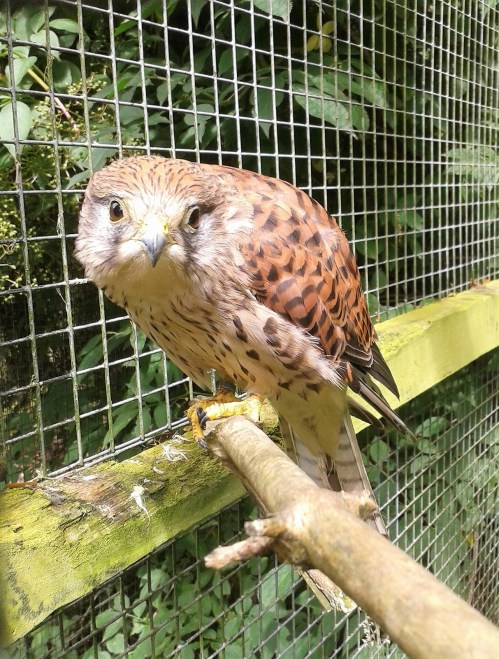
This past Sunday we were in action at the picturesque Lower Moss Wood, home to a wildlife hospital and wildlife education centre.  We did some maintenance on one of the footpaths used by school trips – and were able to take a look at a current resident of an aviary for which we helped to clear the ground on a previous trip!

Kestrel at Lower Moss Wood

Kestrel at Lower Moss Wood

After a cool-ish and cloudy start, today we were again blessed with a beautiful day at Tegg’s Nose Country Park.  As in previous summers, we were helping the Cheshire East Rangers with the obligatory management of ragwort and thistles in meadows which are important for a range of species including orchids, mountain pansies, waxcap fungi, moonwort and adder’s-tongue fern.  The meadows’ management is also supported by controlled grazing by a herd of longhorn cattle (who show extraordinary interest in Ranger Martin’s van!).  All this, and a good sighting of a pair of local buzzards circling overhead!


A new scout camp

Yesterday we helped with the development of a brand-new 30-acre scout camp – Hollinwood Scout Camp – in Worsley.  A challenging yet exciting project, where glades are being created in a mixed woodland for scouts to camp and enjoy the outdoor life.  We balsam-bashed an area that will be a narrow access road through the site.  There are also fields which have recently been planted with 900 mixed deciduous saplings by the Woodland Trust; we mulched around the saplings to ensure they don’t get encroached by the surrounding tall grasses.
A very accommodating and friendly partner to work alongside, who provided us with copious amounts of tea and biscuits on our break, under the scout marquee!

This weekend was our second trip to the Peaks this year, working as usual with the Peak Park Conservation Volunteers (PPCV). On Saturday we worked on the Pennine Way to help with areas which need improved drainage. On Sunday we were very pleased to join (as two years ago) the annual Pick-and-Play day, which was again organised by Peak Mountaineering and PPCV: this followed the usual formula of litter-picking for one half of the day and then a choice of outdoor activities for the other half. This time we SACV volunteers opted for a mix of activities, including bushcraft, a guided walk, orienteering, climbing and abseiling – and as previously we had a fine time, with a torrential downpour in the middle of the day failing to dampen enthusiasm!